How to Select Grease for Ball Screws?
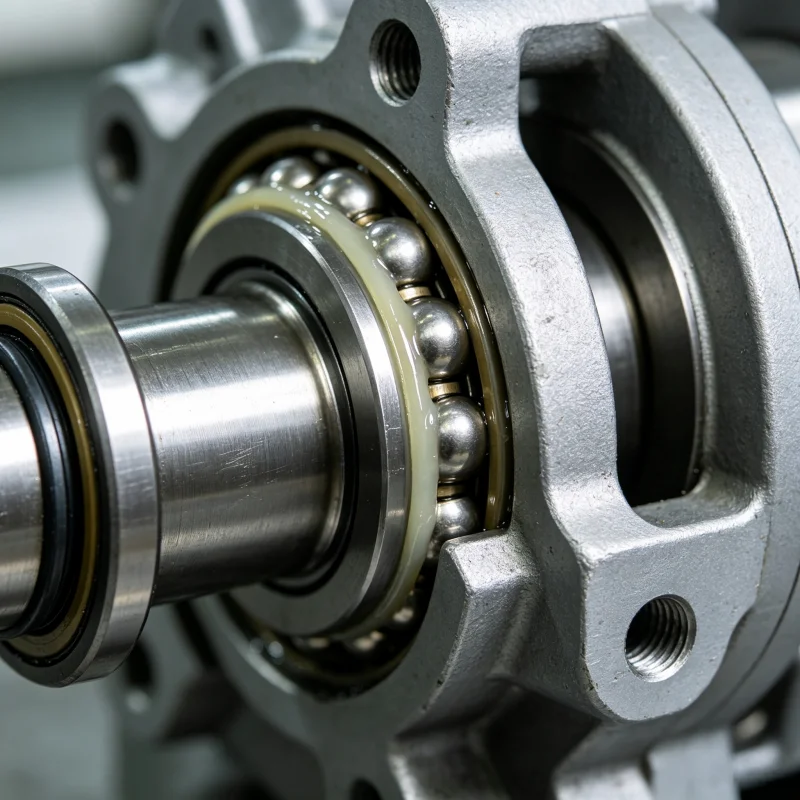
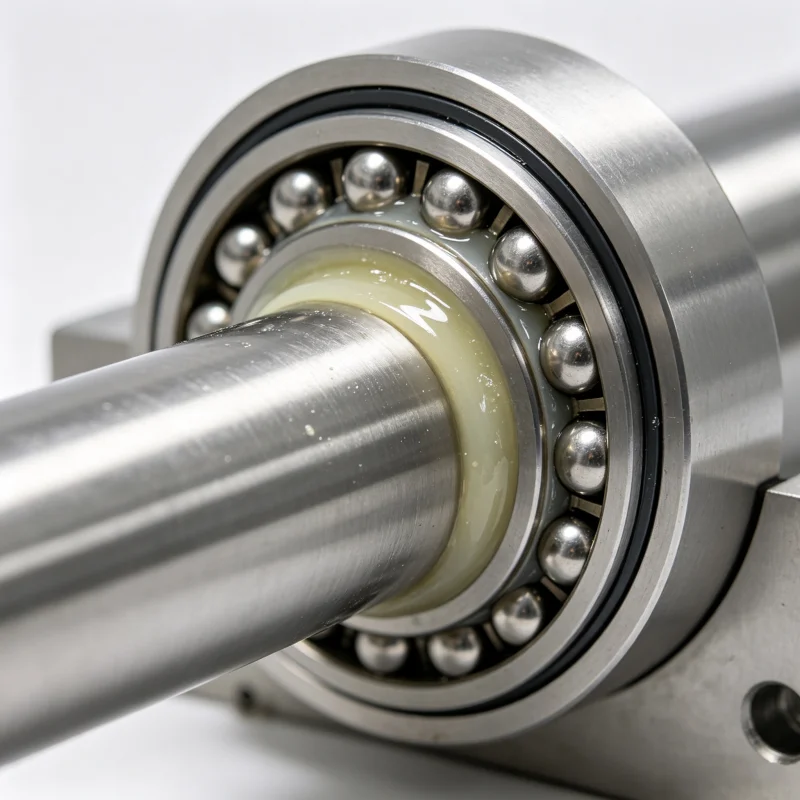
Ball screws are widely used in CNC machines, industrial automation systems, linear motion equipment, and precision positioning mechanisms. Because their balls and raceways operate under repeated contact and movement, proper lubrication is essential for reliable performance.
Selecting the right grease for ball screws requires more than choosing a general-purpose lubricant. Operating speed, mechanical load, temperature, and the manufacturer's specifications should all be considered.
1. Consider Operating Speed and Load
Ball screws used in high-speed automation systems may require different lubricant properties from those operating under heavier loads or slower movement.
When selecting ball screw grease, consider the operating speed, axial load, movement frequency, and required positioning accuracy. The grease should provide adequate lubrication without creating excessive resistance or compromising the motion system's performance.
2. Check Base Oil Viscosity and Grease Consistency
Base oil viscosity affects the lubricant film formed between contacting surfaces, while grease consistency influences how the lubricant behaves within the mechanism.
The appropriate combination depends on the ball screw design, operating conditions, and lubrication method. A higher NLGI grade does not automatically mean better protection, and thicker grease is not necessarily suitable for every precision motion system.
Always refer to the equipment manufacturer's recommendations when choosing a lubricant.
3. Evaluate Temperature and Service Conditions
Operating temperature can affect grease viscosity, consistency, and service life. Before choosing ball screw grease, check the expected temperature range and the product's technical data sheet.
For equipment operating continuously or under changing temperatures, also consider mechanical stability, oil separation characteristics, and the manufacturer's recommended relubrication interval.
4. Verify Compatibility and Lubrication Requirements
Confirm that the selected grease is compatible with the ball screw materials, seals, and existing lubricant. Avoid mixing different grease formulations unless compatibility has been verified.
The correct amount of grease is also important. Excessive lubrication may increase resistance or cause unwanted lubricant migration, while insufficient lubrication can accelerate wear.
Follow the equipment manual for application quantity and maintenance frequency.
5. How to Choose the Right Ball Screw Grease
Before purchasing grease for ball screws, check the following factors:
| Selection factor | What to check |
| Equipment type | CNC machine, automation system, or linear motion assembly |
| Operating speed | Normal and maximum operating conditions |
| Mechanical load | Axial load and duty cycle |
| Temperature | Expected operating temperature range |
| Grease specification | Manufacturer-approved product or equivalent |
| Maintenance | Lubrication method and relubrication interval |
These details help identify a suitable lubricant and reduce the risk of selecting an incompatible product.
6. Find Suitable Grease for Ball Screws
The best grease for ball screws is the product that meets the actual requirements of the motion system. Do not select a replacement based solely on brand name, color, or NLGI grade.
For industrial buyers and maintenance teams, confirming the original grease model or equipment specification is a practical starting point. Compare the technical data sheets before substituting one product for another.
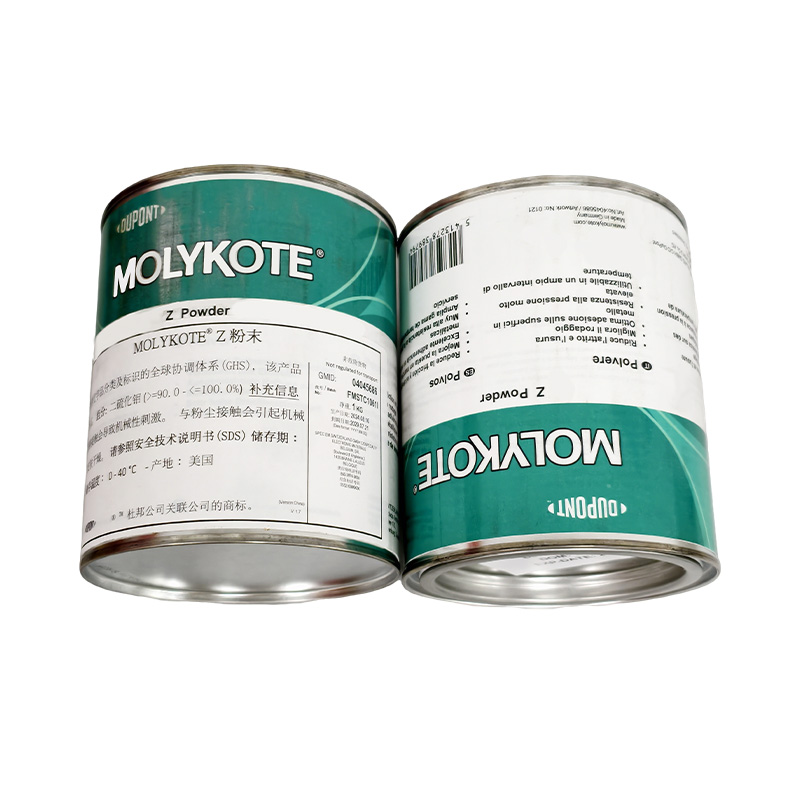
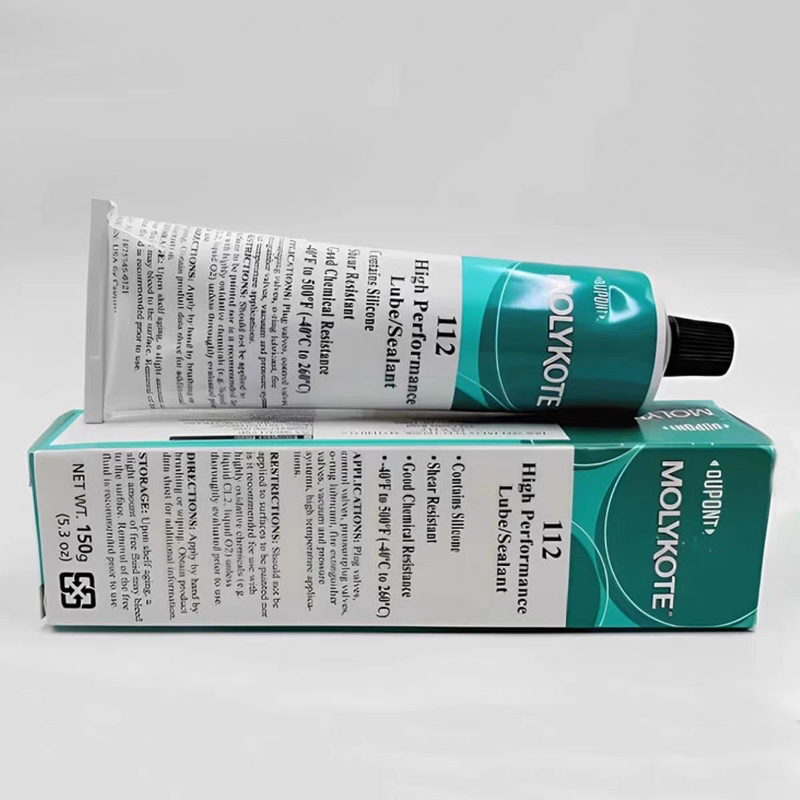
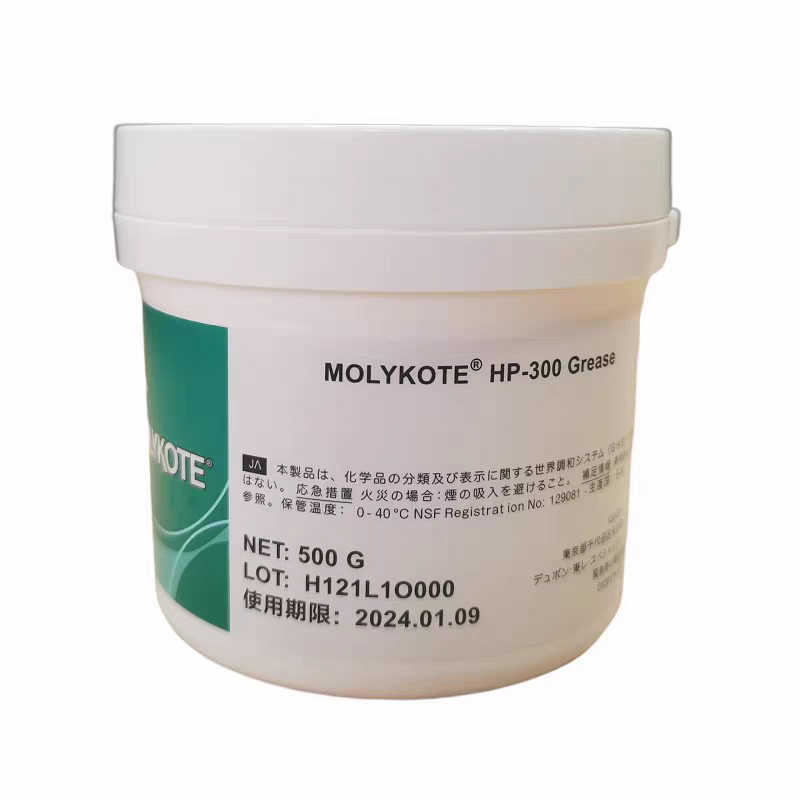
Explore our range of ball screw grease, linear guide grease, and precision grease for industrial automation applications. If you need help identifying a suitable product, contact our team with the equipment model, original grease reference, and required quantity.
Need a quotation? Send us your grease model or part number to check product availability and purchasing options.
How to Choose Grease for SMT Pick-and-Place Machines
Related Article