Why the Correct Grease Matters for SMT Feeder Mechanisms?
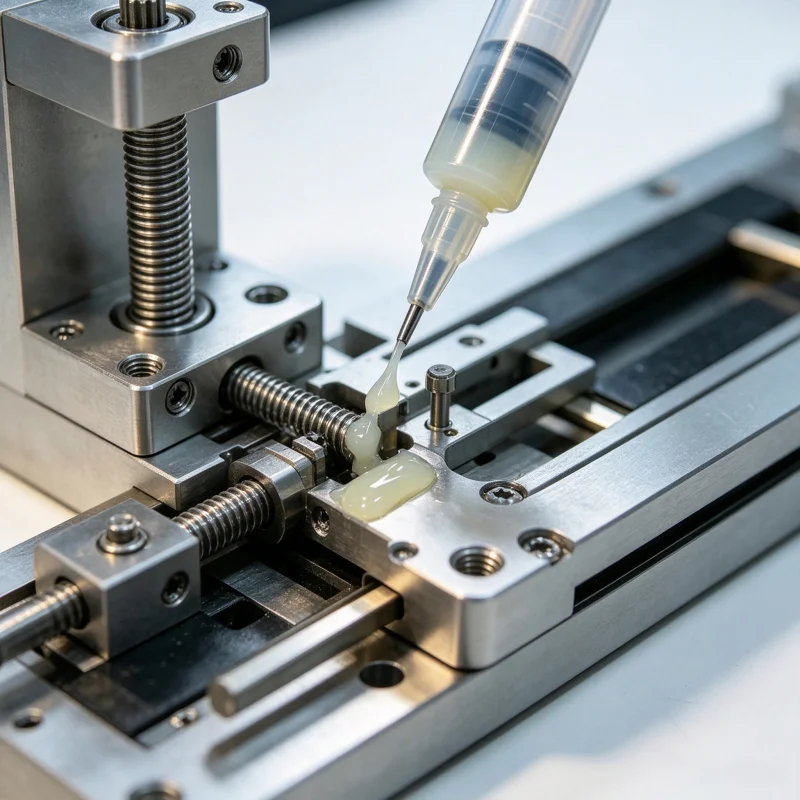
1. Why Lubrication Matters for SMT Feeder Mechanisms
SMT feeder mechanisms deliver electronic components to pick-and-place machines with precise timing and positioning. Their gears, shafts, sliding parts, and other moving components require suitable lubrication to maintain smooth operation during repeated production cycles.
Using the right SMT feeder grease helps reduce friction, minimize mechanical wear, and support consistent feeder performance. Proper lubrication also helps reduce avoidable maintenance caused by inadequate protection of moving parts.
2. What Happens When the Wrong Grease Is Used?
Not all industrial greases are suitable for precision SMT equipment. An unsuitable lubricant may cause several problems:
-
Increased friction: Excessive resistance can affect the smooth movement of feeder components.
-
Premature wear: Inadequate lubrication may accelerate wear on gears and sliding surfaces.
-
Grease migration: Poor retention may reduce lubrication effectiveness or allow grease to reach unwanted areas.
-
Contamination risks: Excess lubricant or unsuitable formulations may attract contaminants or leave unwanted residue.
-
Higher maintenance costs: Lubrication problems may lead to more frequent inspections, cleaning, and component replacement.
Choosing the appropriate grease helps address these risks and supports reliable equipment operation.
3. How to Choose Grease for SMT Feeders
When selecting grease for SMT feeders, consider the following factors:
-
Friction and wear protection: The grease should suit the contact surfaces and movement requirements of the mechanism.
-
Consistency: Appropriate grease consistency helps balance ease of movement with retention at the lubrication point.
-
Material compatibility: Confirm compatibility with metals, plastics, and elastomers used in the feeder assembly.
-
Contamination control: Choose a lubricant suitable for precision equipment and apply it in the recommended quantity.
-
Operating conditions: Consider speed, load, temperature, and the manufacturer's lubrication specifications.
Different feeder designs may require different lubricants. Always check the equipment manual or OEM recommendations before selecting or replacing grease.
4. Best Practices for Feeder Lubrication
Correct application is just as important as lubricant selection. Follow these practices to maintain effective lubrication:
-
Clean lubrication points according to the maintenance procedure before applying fresh grease.
-
Apply the specified quantity to avoid over-lubrication or insufficient lubrication.
-
Do not mix different greases unless their compatibility has been verified.
-
Inspect feeder movement and check for abnormal resistance, noise, or lubricant contamination.
-
Follow recommended maintenance intervals and keep records of lubricant changes.
5. Find the Right Lubricant for Your SMT Equipment
Selecting suitable SMT feeder grease requires consideration of the feeder model, lubrication point, component materials, and operating conditions. The correct choice can help reduce friction, protect mechanical components, and support stable production.
If you need grease for SMT feeders or other precision electronics manufacturing equipment, provide the equipment brand, model, and current lubricant specification when requesting a recommendation. This information helps identify suitable products while reducing the risk of lubricant incompatibility.
Contact our team for assistance with industrial grease and precision lubrication solutions.
Grease Selection for Precision Motion Systems
How to Select Grease for Ball Screws?
Related Article